
First of all, we should start defining what culture is; for example, for Linton, “culture is the link between individuals and societies, learned behavior, and results of behavior shared and transmitted by the members of a particular society.» «For me, if you ask, culture is the set of customs, traditions, beliefs, and behaviors that characterize a particular group of people.
As we saw in the book «Marketing Across Cultures,» culture consists of various layers, and we often compare it with an onion. « On the outer layer of the onion, you’ll have symbols (food, logos, colors, or monuments). The next layer consists of heroes and can include real-life public figures, like statesmen, athletes, or company founders, or figures such as Superman in popular culture. On the third layer, closest to the core, you’ll find rituals, such as sauna, karaoke, meetings, etc.”
Having this into consideration, we can say that there are lots of ways of selling and lots of different consumer behaviors because there are many countries with different cultures and languages. Not just «sneaked languages,» we can define it as «a system of communication that includes not only spoken and written words but also nonverbal elements such as gestures, facial expressions, body language, and visual symbols.»
There are things that can impact people, like age, perception, motivation, memory, self-concept, group influence, social class, sex roles, attitude changes, decision-making, purchase, and post-purchase. We are going to see some products, a few of them in depth, and how the behavior in each product changes if we sell them in different countries. Why should we do that? Well, the answer should be that depending on how we grow, there are different behaviors that we can have, depending on the country, culture, or our experiences in life.
The first example of a product will be concerts in Japan, Spain, and the United States. We will validate the impacts of age, motivation, and purchase.
Spain: In Spain there is a great culture of partying and having fun, so concerts are a great expression of that; people are so excited, loud, and expressive, dancing with the music and feeling it. Normally they are in the late afternoon or at night and can be really a mess inside the venue. In Spain, concerts are seen as a social and cultural event, important but not essential. Festivals are popular and accessible to many people; normally teens and young adults are the main characters that go to concerts, but older people can also be seen there. The experience of purchasing can be messy if the artist is so loved because there can be problems on the platform to buy the tickets, but normally it is an easy transaction.
Japan: In Japan, things are very structured, so concerts are well organized. The audience is so respectful, rarely talking or shouting during performances. They always follow rules, and the way to support their artist is with light sticks. Concerts have a time to start and to end; they will stick to that time. Most of the people are young, but there can also be older people. In Japan, concerts are well-organized and sometimes seen as a luxury, especially for big artists. Idol concerts are more like a dedicated fan experience.
United States: Concerts are so popular there; they have big productions and entertainment. The audience can be very loud and cheering, but it is true that the atmosphere can change depending on the music genre. Rock and hip-hop concerts could be wild while pop and country are more friendly. Most attendees are young adults and teens, but there can be older people too, especially if we talk about festivals like Coachella. In the United States, concerts are entertainment but can be expensive, making them more common for middle-class and wealthy people.
As a conclusion for this product, we can say that the tickets for concerts should be sold differently in each country. In Spain, marketing should focus on social and party experiences, but in Japan, it should be an exclusive fan culture focus or a premium experience to see their idols in life, and finally, in the U.S., they should promote it like a big experience and entertainment with lots of production.
The next products to valorize are video games and the culture in the different countries, as in the last one, we will take into consideration the age, motivation, and purchase of customers.
Spain: Video games in Spain are very popular among teenagers and young adults. Many people enjoy playing on consoles like PlayStation and Xbox, but PC gaming is also common. Online gaming with friends is important, and esports are growing in popularity. Spanish gamers are very social, often playing multiplayer games and talking through voice chat. Gaming events and conventions, like Madrid Games Week, attract many fans. Older adults also play, but younger people are the biggest consumers. The experience of buying a video game is so easy; you can do it online or physically, and normally there are updates after the purchase that help the comfort of buying an expensive product.
Japan: In Japan, video games are a huge part of the culture. Many people play on handheld consoles like the Nintendo Switch, and arcade gaming is still very popular. Japanese gamers enjoy RPGs, anime-style games, and competitive fighting games. Mobile gaming is also a big trend. The gaming community is diverse, from children to older adults, and gaming is seen as a normal hobby, but it is true that there are more common single gamers than multiplayer gamers. Events like the Tokyo Game Show bring thousands of gamers together every year. In Japan, video games are part of daily life, with both casual and hardcore gamers across all ages.
United States: In the U.S., video games are a massive industry, enjoyed by people of all ages. Many plays on consoles, PCs, and mobile devices. Online multiplayer games like Fortnite and Call of Duty are very popular. Esports and streaming platforms like Twitch are huge, with professional gamers becoming celebrities. Gaming is both a social and solo activity, and big releases often create excitement. Gamers range from kids to older adults, with many families playing together. In the United States, video games are mainstream entertainment, with both casual players and professional gamers in esports.
To conclude, video games are popular everywhere, but the approach should change. In Spain and the U.S., online and multiplayer experiences are key, but in Japan, handheld gaming and traditional arcades are still strong, and single players are more common. Companies should adapt their games and advertising to match these local gaming habits.
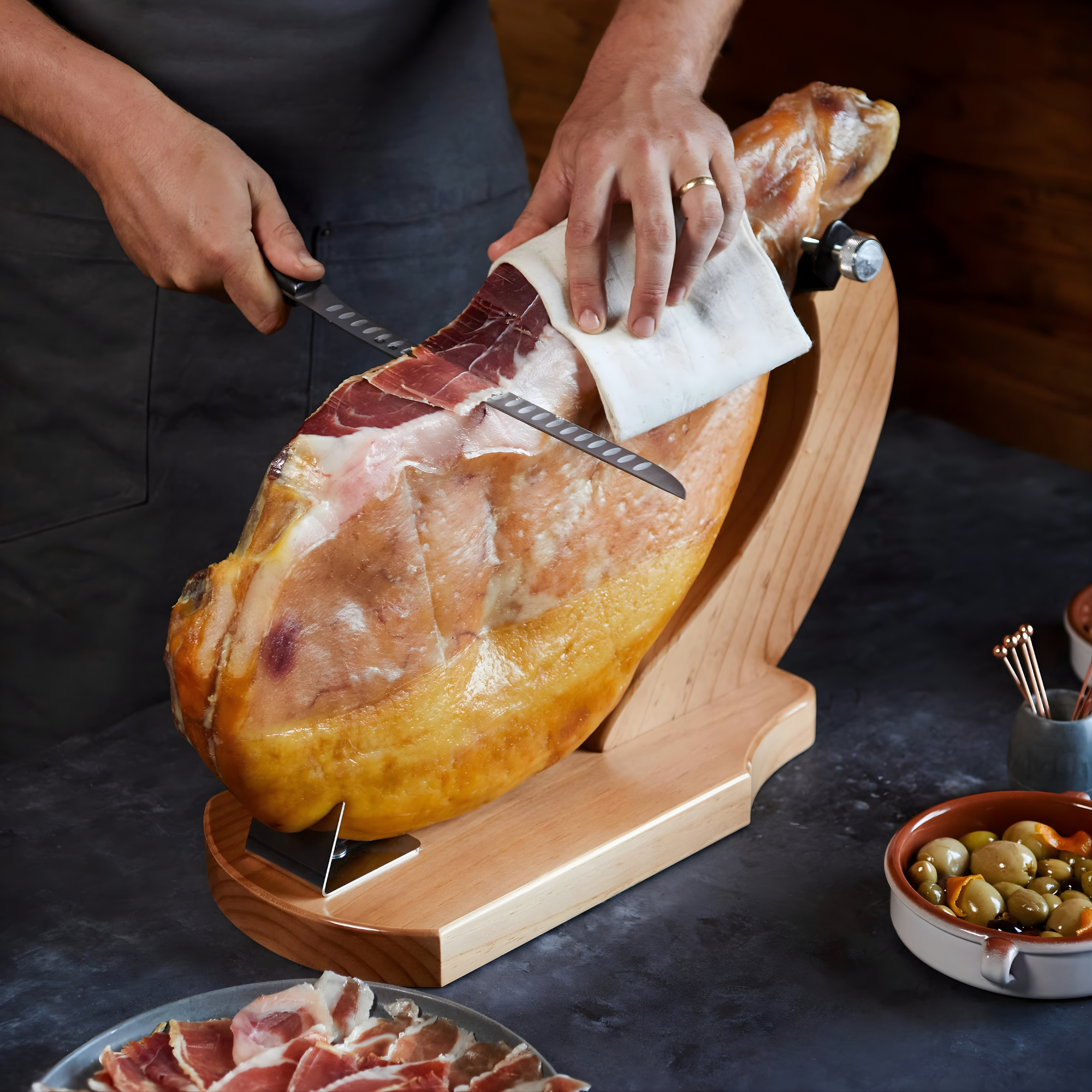
To finish, we will see a special product for Spain, serrano ham. In this case the impacts that we will value are social class, motivation, and purchase.
Spain: Serrano ham is a traditional and essential food. People eat it in sandwiches, as tapas, or simply sliced with bread and olive oil. It is very popular among all ages, from children to older adults. Families often buy whole legs of ham to slice at home, and it is a common gift during holidays. Spanish people take ham very seriously, and quality is important. Many regions have their own special types, and it is a symbol of Spanish culture and gastronomy. In Spain, Serrano ham is a traditional and common food, seen as high-quality but still a normal part of daily meals in any social class.
Japan: Serrano ham is considered a luxury product. It is not as common as in Spain, but it is available in high-end restaurants and gourmet stores. Japanese people enjoy it in small portions, often as part of a fancy appetizer or with wine. Because imported food is expensive, Serrano ham is usually a treat for special occasions. Food lovers and wealthy customers are the main consumers, and it is seen as an exotic and high-quality European delicacy. In Japan, Serrano ham is a luxury product, rare and expensive, mostly for high-end dining.
United States: Serrano ham is known but not as popular as in Spain. It is sold in specialty stores and used in gourmet dishes, often in Spanish restaurants or high-end supermarkets. American consumers compare it to Italian prosciutto, which is more common. People interested in international cuisine and fine dining appreciate Serrano ham, but it is not a daily food for most. Young professionals and food enthusiasts are the main buyers, often pairing it with cheese and wine. In the United States, Serrano ham is a gourmet food, known among food lovers but not a common household item.
In conclusion, Serrano ham should be marketed as an everyday, high-quality food in Spain but as a luxury or gourmet product in Japan and the U.S. In these countries, it should be linked to fine dining, wine pairings, and exclusive restaurants to attract premium customers.
As we can see, any kind of product should be valued and focused on in different ways if you want to sell it in different places. That is why, for example, Coca-Cola has a really good position in different countries: because they study the people in those areas and sell them a slightly different product for each one, because they are different people and their needs are also different. So, the smarter thing to do, if you want to sell something, is to know who is going to buy it and what the tastes or preferences are for your target.
Author: Ainara Urien