
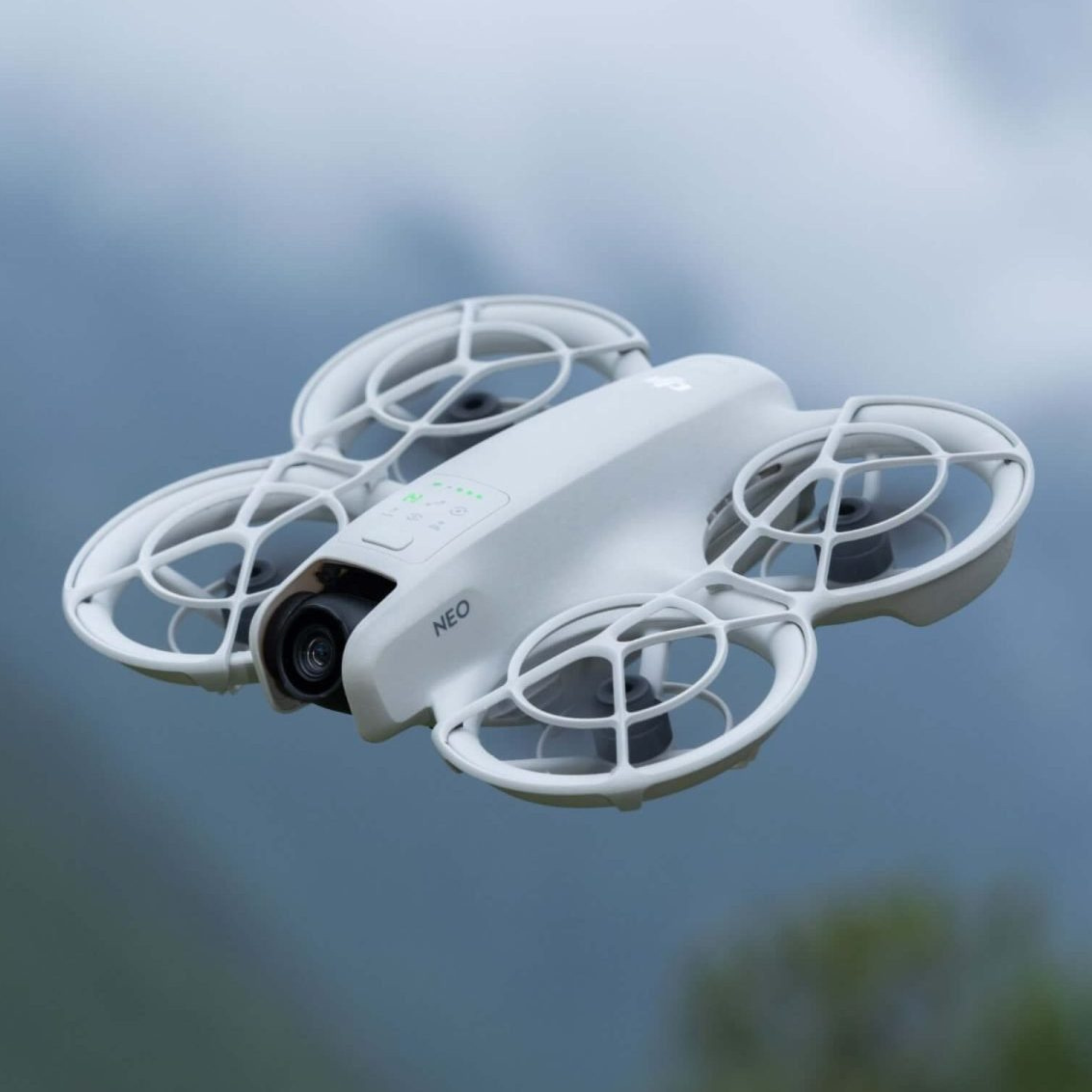
As a student in business management (BMA) in MSMK, my passion for marketing combined with extensive experience as a drone hobbyist has led me to explore cultural perspectives. Through 5 years of engaging with the drone community, I’ve witnessed firsthand how this technology is perceived vastly differently around the world; some view drones as spying tools, others embrace them as essential security utilities or even as a symbol of power and utility, or in some other countries that have suffered from warfare, drones can be perceived as dangerous or triggers for PTSD. Which taught me the wide range of different perspectives this sector can have and motivated me to do a study about it during one of my courses in MSMK.
While studying them, I chose to have a focus on DJI, which has had the biggest brand market shares, as shown in a 2021 study, to their presence to this day. DJI has seen their light and has stood tall in various major countries with drone users and shows the diversity of cultures via their communications. This provided me information to see the differentiation between cultures in many countries, except some in Africa, heavily dominated by a new drone company called Zipline, which has shown a unique cultural perspective where drones are seen as angels that save lives with their quick response and long-range supply of medicine and blood.
Starting with my studies around Spain and then following it up with America, China, and an explanation of why Africa has this unique cultural view of drones.
Spain
Spain represents a market with moderate drone adoption and a collectivist approach to integrating technology into their culture. Spain follows a set of regulations set by Europe, requiring registration for drones over 250 grams, which really especially affects consumer drones.
Spain’s cultural perspective on drones is positive, viewing them as tools for collective benefit. I wish for more professional utilities such as agriculture. DJI has focused marketing strategies on regional areas, particularly in difficult terrain where traditional machinery cannot operate effectively. Partnering with universities to teach new pilots in universities like Universidad Católica San Antonio de Murcia (UCAM) for the upcoming future for pilots.
America
The United States represents a rapidly growing drone market as of recently, especially now with their new incentive to invest in drone businesses. American cultural attitudes toward drones reflect the country’s individualistic values, focusing on personal achievement and technological innovation, as well as their artistic vision. The regulatory environment, governed by the Federal Aviation Administration (FAA).
American drone applications span multiple sectors of the drone industry, including military defense, commercial agriculture, construction, and consumer entertainment, being motivated to innovate and push towards something unique to stand out, causing massive innovation. However, cultural concerns about privacy and government surveillance persist due to the regulations, reflecting concerns of individual freedom and data security. This is due to the remote ID and possible future implementation of stricter rules and data security issues with the recent launch of new executive orders around June by the White House.
China
China has sustained itself as the global leader in drone technology through sustained government investment and strategy for a decade. Chinese companies, particularly DJI, have achieved a mind-blowing global dominance. As a follow-up, the regulatory framework in China is slightly more flexible than the European or American one, specifically for businesses to achieve these unique achievements with drones.
China’s approach to drones reflects cultural values focused on collective advancement and state-led innovation that became a national symbol of their advancements during these years, showing drones as a very advanced utility made primarily by them. Some examples being agriculture, logistics, delivery, and urban air mobility.
Africa
Africa offers a different perspective of the cultural lens; drones are viewed as lifesaving “angels” in some of the African countries due to drones leapfrogging weak infrastructure to bring blood, vaccines, and medicines to remote clinics. Vast rural distances, impassable roads, and limited cold-chain capacity mean that when a Zipline drone whirrs overhead, it is not a novelty but a trusted part of the health system, answering needs.
Rwanda pioneered the model in 2016 and now fulfills more than 75% of the nation’s blood deliveries outside Kigali. In which Ghana quickly followed with four Zipline hubs. In fact, this story was so powerful it served as a huge marketing tool to enter US soil with their drones and start producing drones that not even Amazon could make.
Conclusion
In conclusion, businesses should always keep in mind the differentiation of culture internationally for drones, as shown it has a wide array of different perspectives that can affect them positively or negatively. Like the collectivist values around Spain, the individualist culture of the United States, the symbolic and utilitarian view from China, or the unique angel drones of Africa. So it is advised to establish a Hofstede cultural framework to understand the purview of the culture in place as well as investigate their actions within the drone industry to adapt as well as you can to other new cultures or even take DJI’s presence in that country as an example.
Author: Nicholas Norris